Severe Subgingival Decay
01When carious breakdown penetrates deep beneath the crestal bone margin, sound tooth structure can no longer support a crown or coronal seal, leading to recurrent decay.

DENTAL EXTRACTIONS
At Northwest Portland Dental, our restorative philosophy prioritizes biological preservation above all else. Removal is considered only after exhaustive clinical evaluation confirms that restorative therapies cannot preserve the natural tooth with predictable long-term health.
Comprehensive diagnostic scans · Second opinions welcomed · Northwest Portland clinic
Our clinical philosophy is rooted in natural tooth preservation. However, when biological breakdown or trauma threatens the surrounding bone, soft tissue, and adjacent teeth, timely removal becomes the clearest pathway to protecting your long-term oral stability.
When carious breakdown penetrates deep beneath the crestal bone margin, sound tooth structure can no longer support a crown or coronal seal, leading to recurrent decay.
Vertical root fractures or catastrophic coronal splits split the tooth down to the periodontal attachment, rendering restorative bonding impossible and inviting deep bacterial infiltration.
Chronic or aggressive infections that persist despite surgical or non-surgical endodontic retreatment threaten systemic health and progressively erode the adjacent jawbone.
Significant loss of bone support and attachment apparatus results in severe clinical mobility. Preservation attempts risk compromising the recipient site for future restorative implants.
Insufficient ferrule height and non-negotiable crown-to-root ratio disparities mean any prosthetic restoration would inevitably fail under natural occlusal load forces.
Extraction is never our primary objective. Every clinical evaluation begins by testing all viable restorative pathways against biological predictability, long-term stability, and your overall oral health.
Heroic measures that prolong discomfort or result in eventual bone loss are avoided in favor of definitive, evidence-backed care.
When decay or fracture is localized and more than 50% of the natural crown structure remains intact, conservative bonded composite resins or custom ceramic onlays restore full mechanical function without compromising surrounding healthy enamel.
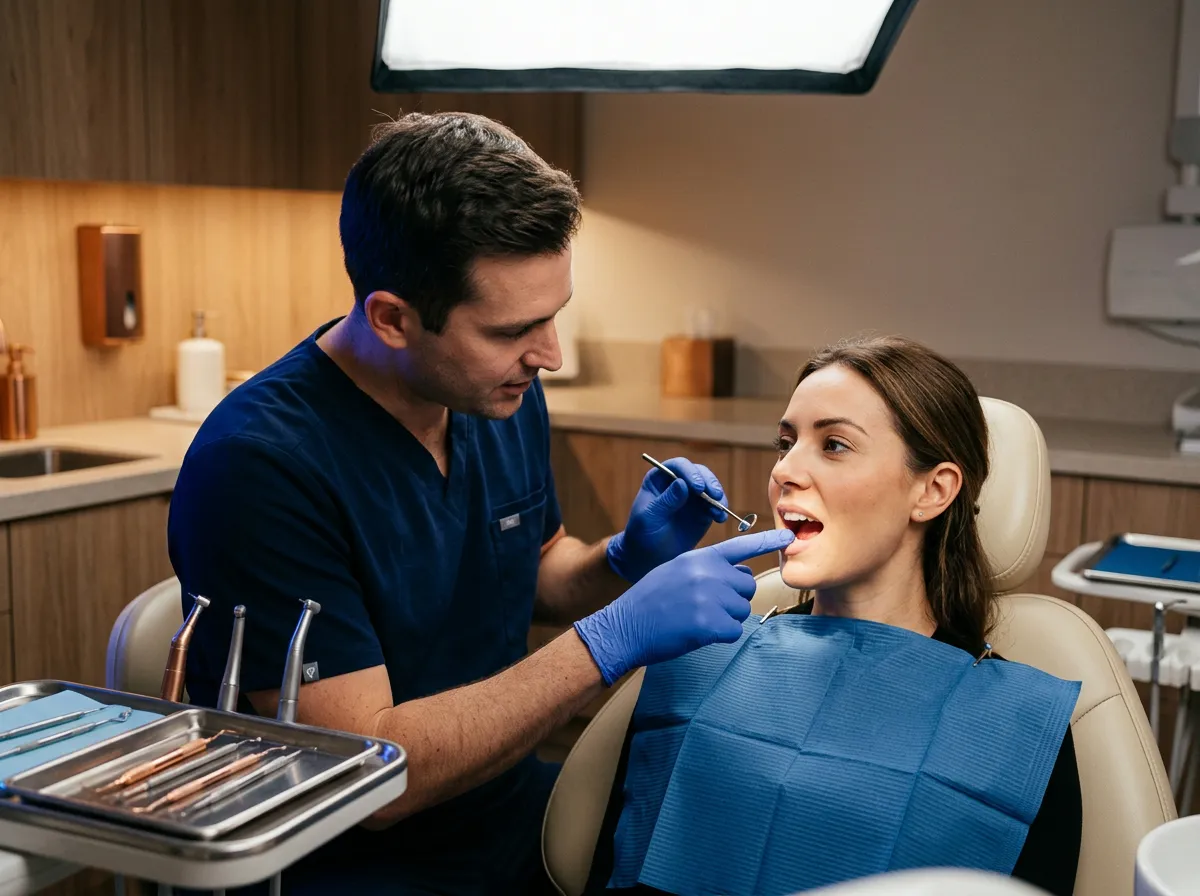
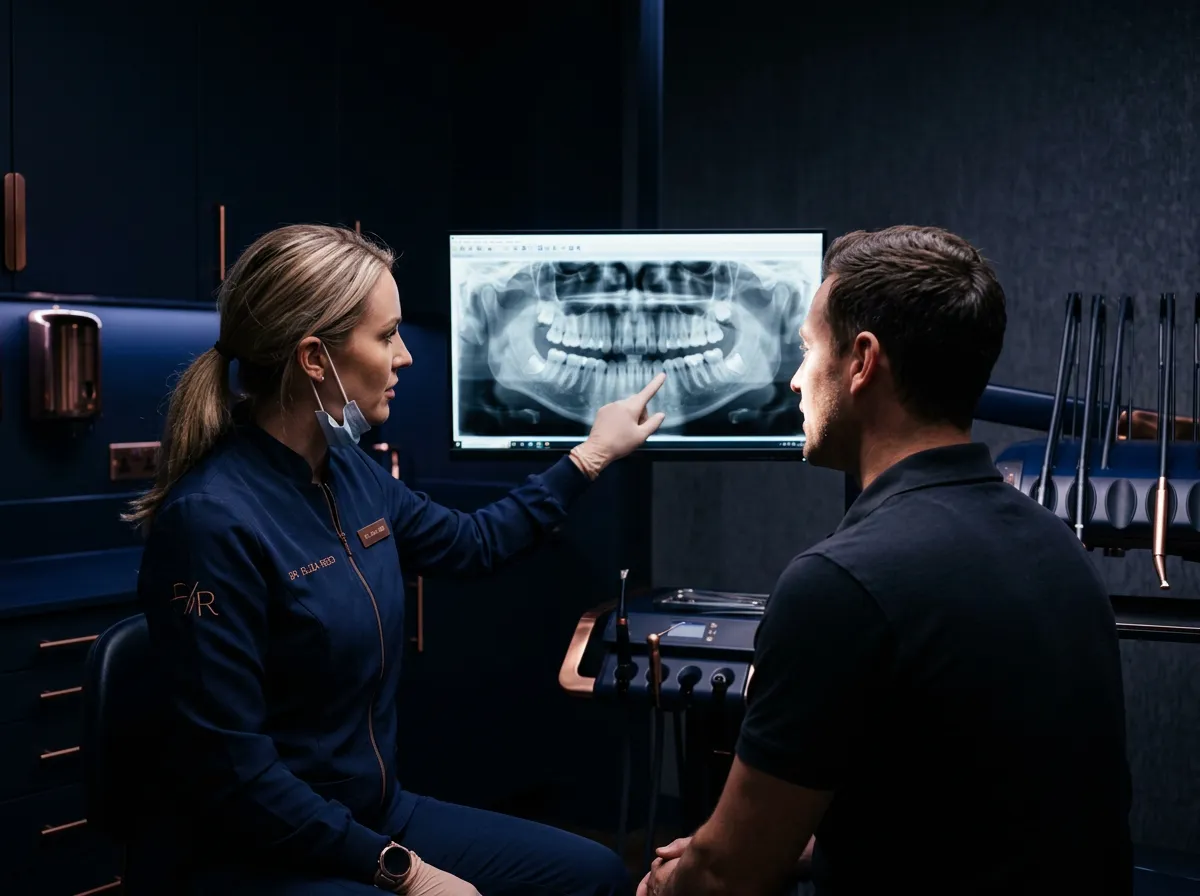
When severe structural damage or fracture threatens tooth survival but the root system remains stable, a full-coverage monolithic zirconia or lithium disilicate crown provides a complete 360-degree ferrule, distributing bite forces evenly.
Irreversible pulpitis or apical infection does not automatically require extraction. Modern rotary endodontics thoroughly decontaminates the root canal network, followed by a biocompatible hermetic seal to maintain the biological root within your jawbone.
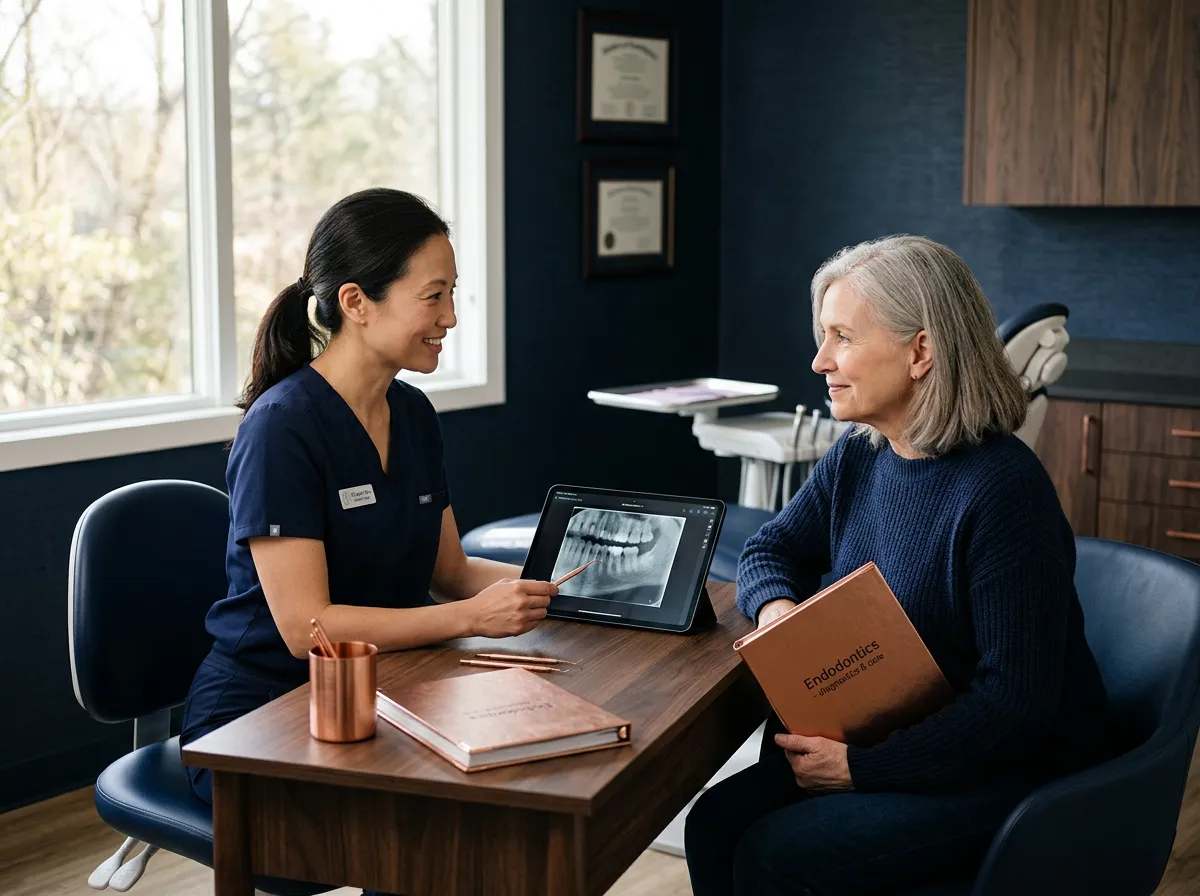
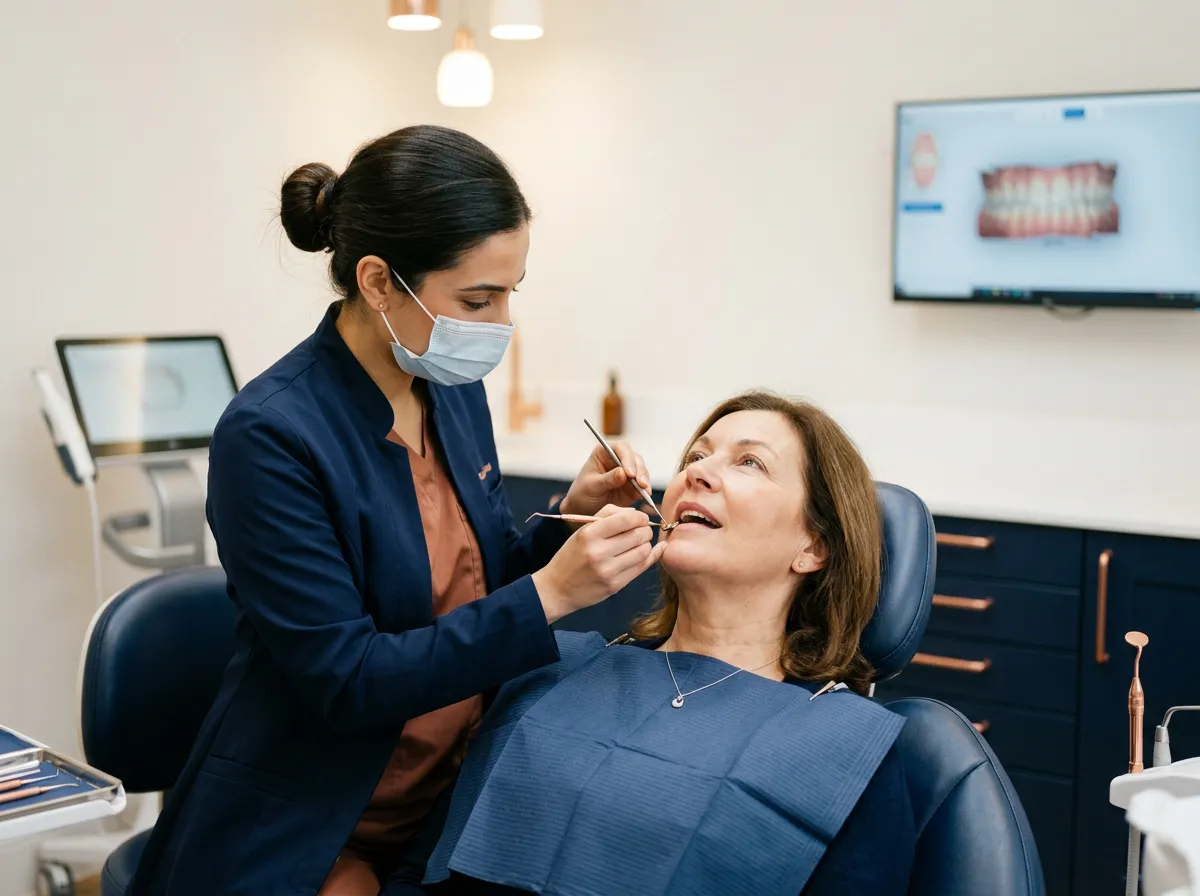
Teeth exhibiting mobility or deep periodontal pockets can frequently be stabilized through ultrasonic scaling and root planing, antimicrobial irrigation, and localized regenerative protocols when sufficient bone foundation persists.
When alternatives are exhausted and preservation is no longer biologically sound, extraction is planned with surgical precision.
Every extraction follows a methodical, conservative sequence designed to preserve healthy tissue, eliminate discomfort, and prepare your smile for seamless restorative replacement.
High-resolution 3D imaging evaluates root geometry, surrounding bone density, and proximity to anatomical landmarks before any treatment starts.
Targeted local anesthesia and calm pacing ensure the treatment site is completely insensitive and relaxed before we begin.
Conservative micro-instrumentation gently relieves periodontal ligament tension, lifting the tooth while protecting the surrounding bone socket.
The site is thoroughly cleansed and stabilized with socket preservation and bone grafting material when future implant placement is planned.
Clear aftercare guidelines are paired with an established restorative timeline for permanent implant, bridge, or crown restoration.
Surgical Scope & Preservation Notice: Routine and complex extractions are performed with atraumatic techniques. When restorative implants are anticipated, immediate site preservation grafting prevents socket resorption and protects long-term jaw structure.
Our primary objective is always biological preservation. However, retaining a compromised tooth can occasionally compromise adjacent bone architecture, soft tissue health, and long-term systemic wellness.
When carious breakdown penetrates extensively below the alveolar bone margin, biological width cannot be restored reliably through crown lengthening or conservative bonding.
Vertical or deep oblique root fractures compromise mechanical integrity, creating an irreversible entry pathway for micro-organisms and progressive periodontal defect formation.
Refractory endodontic lesions that fail following conventional or microsurgical therapy threaten adjacent bone density and require definitive removal to arrest infection spread.
Severe vertical bone resorption and advanced mobility that leave the tooth unserviceable as a functional anchor or masticatory unit, precluding restorative stability.
Insufficient remaining supra-crestal dentin height to provide a reliable 2mm ferrule effect, predisposing any restorative crown to premature mechanical failure.
Clear, direct clinical answers regarding surgical comfort, recovery expectations, and when tooth replacement planning should begin.
No. We utilize targeted local anesthesia and tailored sedation options to ensure the treatment site is completely numb throughout the entire appointment. You may feel gentle pressure during the procedure, but you will not experience sharp pain.
Whenever possible, we formulate your replacement plan before the extraction occurs. Depending on site stability and bone density, dental implants can sometimes be placed immediately; in other cases, a brief healing window of 8 to 12 weeks ensures optimal long-term success.
Most patients return to light, normal activities within 24 to 48 hours. Initial soft tissue healing takes roughly 7 to 10 days, while the underlying bone fully reorganizes over the following few months.
When a tooth root is removed, the surrounding jawbone naturally begins to recede. Socket preservation at the time of extraction retains the natural crest height and width, preserving facial structure and creating an ideal foundation for a future implant.
Preservation is always our primary objective. If sufficient healthy tooth structure remains and the root is fracture-free, a root canal paired with a custom crown is often the preferred pathway. Extraction is reserved solely for teeth that cannot be predictably restored.
Extraction is only one clinical pathway. Explore our full suite of restorative procedures designed to rebuild, support, or preserve your natural dentition.
You do not have to make treatment decisions before your visit. Our clinical team provides thorough diagnostic imaging and gentle evaluations to determine if preservation is possible before discussing any planned extraction.
Prefer to speak with our clinical desk? CALL NWPD
Comprehensive 3D Imaging • Biological Preservation First • Calm, Unhurried Care
Redefining the dental patient experience with architectural minimalism and Pacific Northwest warmth.
Monday: 7:00 AM - 4:00 PM
Tuesday: 7:00 AM - 4:00 PM
Wednesday: 7:00 AM - 4:00 PM
Thursday: 7:00 AM - 4:00 PM
Friday: Closed
Saturday: Closed
Sunday: Closed
Phone: (503) 228-6294
Address: 2311 NW Northrup St. Suite 101 Portland, OR 97210
Email: [email protected]


© 2026 Northwest Portland Dental. All rights reserved. | Privacy Policy | Accessibility