
DENTAL WHITENING
Brighten Your Smile.
Keep It Looking Like You.
Professional, shade-calibrated dental whitening designed to lift stubborn stains while preserving natural tooth structure and clinical balance.
Personalized assessment · In-office & take-home options · Clinical care
ETIOLOGY & CLINICAL CLASSIFICATION
Not All Discoloration
Is The Same.
Shade shifts occur across extrinsic, intrinsic, and structural domains. Effective aesthetic treatment requires identifying the precise source of pigment accumulation before selecting a clinical whitening pathway.

01 / EXTRINSIC CHROMOGENS
Food & Dietary Pigmentation
Chromogens from coffee, tea, red wine, and dark berries bind directly to the organic pellicle on enamel surfaces. Over time, these tannins penetrate microscopic enamel prisms, creating a yellowish-brown hue that responds predictably to peroxide-based oxidative whitening.
02 / CHEMICAL ADHESION
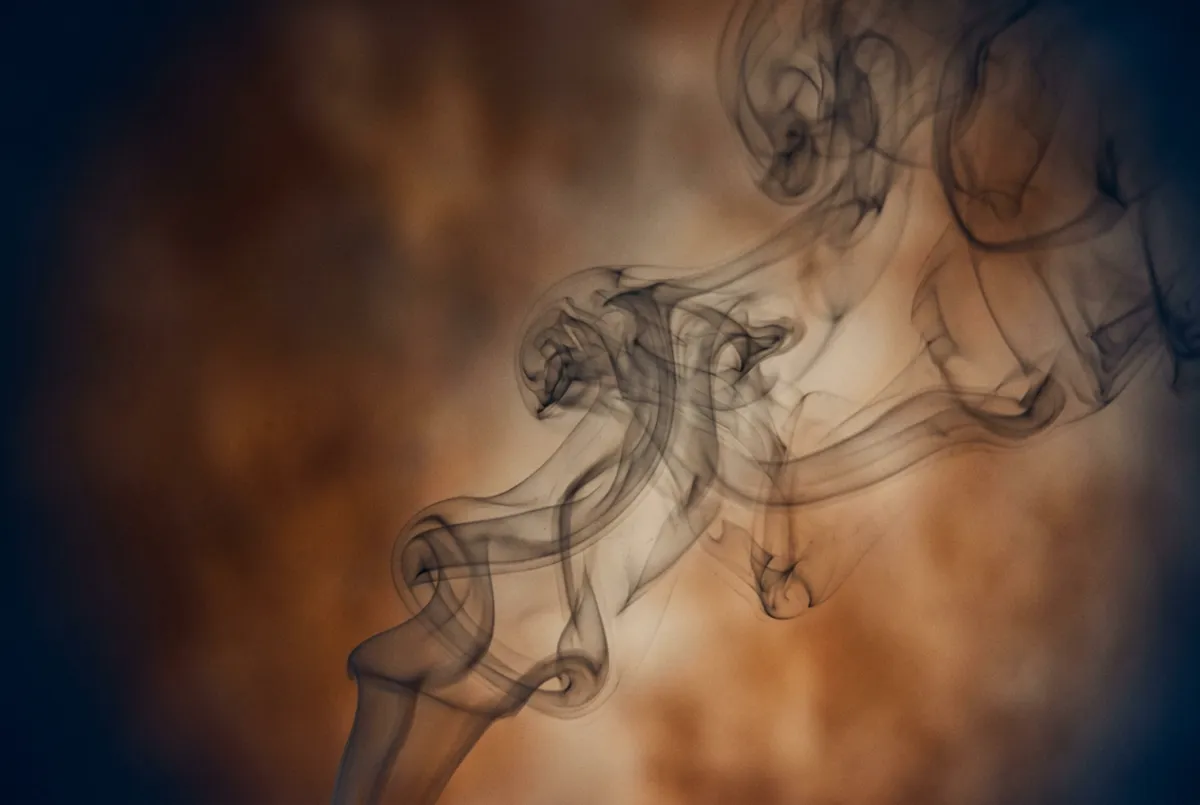
Tobacco Tar & Nicotine Residue
Combustion products and chemical byproducts from cigarettes, cigars, and smokeless tobacco form stubborn, dark brown-to-black deposits along the cervical margins. These tenacious stains require clinical prophylaxis prior to targeted active whitening.

03 / STRUCTURAL MATURATION
Physiological Aging & Enamel Wear
As the outer enamel layer naturally thins across decades of mastication, the underlying secondary dentin grows denser and darker yellow. Whitening lightens the remaining enamel matrix and superficial dentin to restore optical brightness.
04 / INTRINSIC & TRAUMA FACTORS
Internal Changes & Micro-Trauma
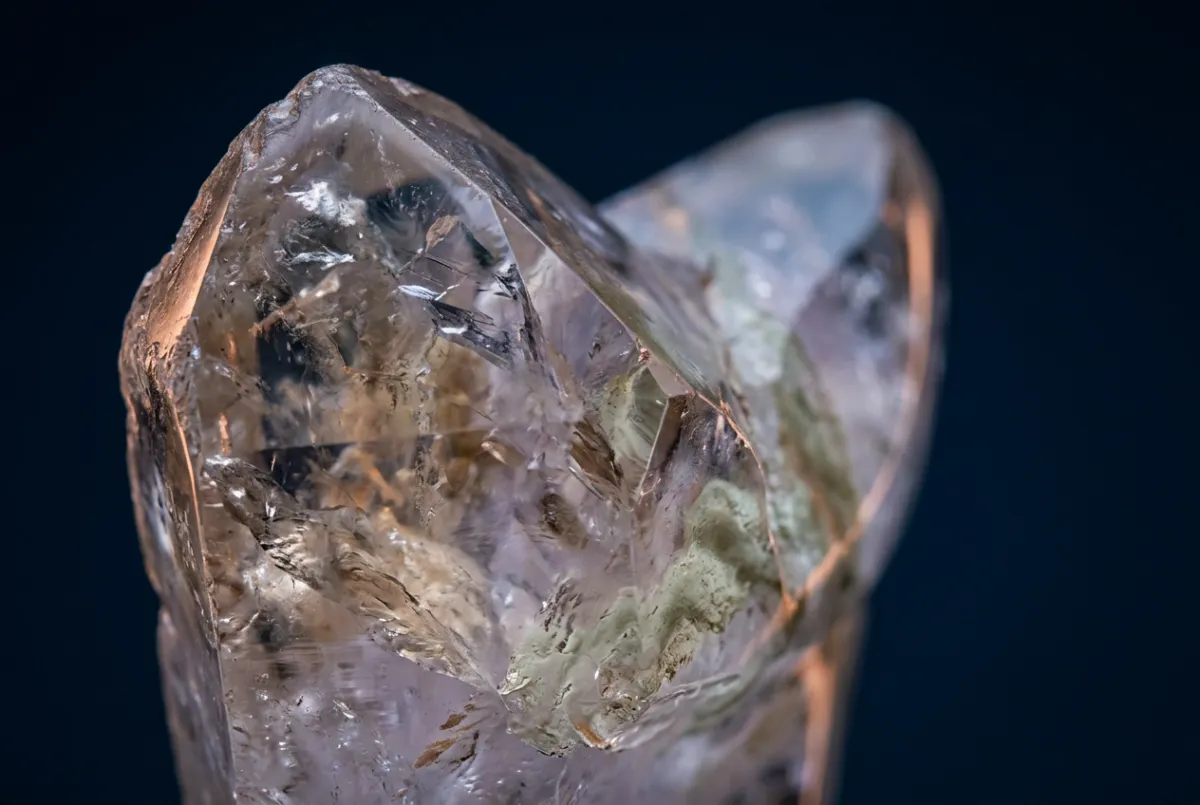
Past dental trauma, pulp necrosis, childhood tetracycline exposure, or fluorosis cause deep intrinsic gray or banded discoloration inside the dentin core. These complex cases may require specialized extended protocols or internal non-vital bleaching.
05 / SYNTHETIC SUBSTRATES
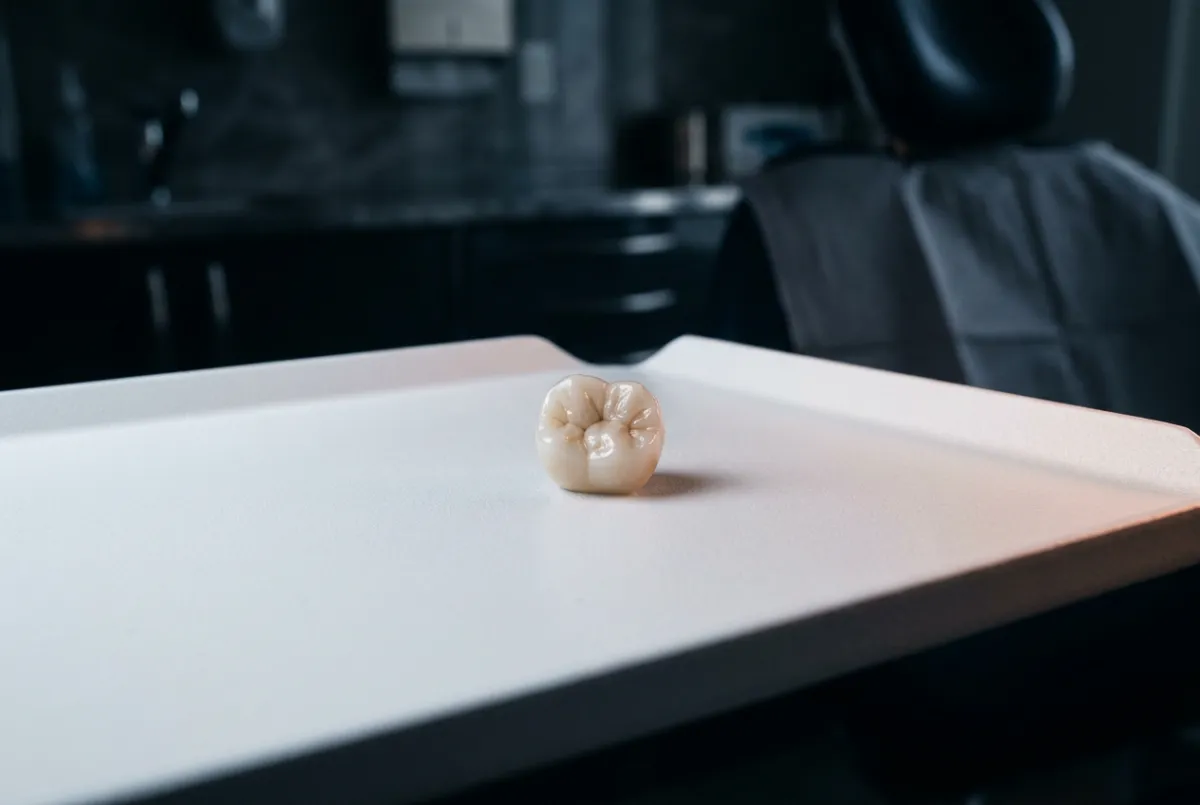
Existing Restorations & Prosthetics
Composite fillings, porcelain veneers, and ceramic crowns maintain their manufactured shade regardless of active bleaching agent concentrations. When surrounding enamel lightens, existing restorations may appear darker or mismatched.
CRITICAL CLINICAL NOTICE
Whitening Changes Natural Tooth Color.
Professional whitening formulations only chemically lighten natural tooth enamel and dentin. Existing dental restorations (including composite bonding, porcelain veneers, inlays, and ceramic crowns) will not change color during treatment. If anterior restorations are present, shade assessment and strategic restorative replacement may be required following the stabilization of your natural teeth's new shade.
THE NWPD APPROACH
Start With Healthy Teeth.
Then Talk About Shade.
Professional whitening is a clinical medical procedure, not an isolated cosmetic quick-fix. Applying oxidizing agents to unexamined teeth risks acute pulpal inflammation, uneven lightening, and soft tissue irritation. We conduct a rigorous preliminary diagnosis before prescribing any whitening protocol.
- Comprehensive enamel micro-crack and demineralization mapping
- Gingival margin assessment to prevent peroxide sulcular seepage
- Detailed baseline mapping of existing resin and ceramic restorations
- Pre-treatment dentin hypersensitivity threshold evaluation
Healthy Natural Teeth
Intact enamel prisms without active untreated decay or structural fractures allow safe, even penetration of peroxide gels.
External Staining
Chromogenic discoloration from coffee, tea, red wine, and natural aging responds most predictably to in-office and tray regimens.
Realistic Expectations
Whitening unlocks your teeth's highest natural vitality. We establish an authentic target shade rather than artificial monochromatic results.
Stable Oral Health
Calm, healthy periodontal tissues ensure isolation barriers seat securely, preventing soft tissue inflammation during therapy.
WHEN ALTERNATIVES ARE INDICATED
Dental ceramics, existing composite bonding, and intrinsic tetracycline banding do not respond to peroxide whitening. If your smile features anterior restorations or deep structural banding, we direct you toward conservative composite bonding or porcelain veneers for uniform aesthetic harmony.
WHAT TO EXPECT
A Simple Process
Built Around Your Smile.
Our whitening workflow is grounded in clinical assessment, calibrated application, and predictable shade progression tailored to your enamel health.
STEP 01
Evaluate
We assess existing enamel conditions, baseline shade, and any composite restorations to establish safe, realistic parameters.
STEP 02
Select Approach
Together we determine whether customized take-home trays or a chairside protocol aligns best with your goals and schedule.
STEP 03
Whiten
Treatment is delivered under clinical direction using professional-strength formulas designed to reduce acute sensitivity.
STEP 04
Review Result
We review shade progression against baseline documentation and outline long-term maintenance habits to preserve your natural brightness.
PROTOCOL A
Custom Take-Home Whitening
Precision-milled individual dental trays paired with clinician-dispensed carbamide peroxide gel for gradual, controlled shade lifting at home.
PROTOCOL B
In-Office Whitening
Chairside application using gingival isolation barriers and higher concentration active agents for immediate, monitored shade transformation.
THE NWPD APPROACH
Start With Healthy Teeth.
Then Talk About Shade.
Whitening is a medical cosmetic treatment that requires an uncompromising biological foundation. We do not apply clinical peroxide gels over undiagnosed active decay, exposed root surfaces, or fragile periodontal margins.
- Exhaustive pre-screening of enamel density and micro-fracture depth
- Differentiation between extrinsic chromogens and intrinsic tetracycline bands
- Custom tray sealing protocol to eliminate gingival contact and acute sensitivity
Healthy Natural Enamel
Enamel must be intact without severe demineralization, cracks, or unchecked acid erosion.
External Staining
Ideal candidates present with staining from coffee, tea, red wine, and physiological aging.
Realistic Expectations
Understanding that whitening clarifies natural tooth shade rather than fabricating artificial opaque whites.
Stable Oral Health
Gum tissue must be healthy and free of active inflammation or deep gingival recession.
CLINICAL SEQUENCING & RESTORATIONS
When Alternative Cosmetic Treatments Are Indicated
Peroxide gels only alter organic natural enamel. Existing porcelain crowns, porcelain veneers, and composite bonding will not lighten. For patients planning comprehensive smile makeovers, whitening is conducted first to establish the baseline shade, followed by shade-matched restorative bonding or veneers two weeks post-stabilization.
CLINICAL TRANSPARENCY
What Patients
Often Want To Know.
Clear, evidence-based answers regarding candidacy, longevity, and clinical expectations before commencing whitening therapy.
How much whiter will my natural teeth actually become?
Whitening lifts organic stains to reveal your natural baseline enamel shade, typically lightening teeth by 2 to 6 shades on a clinical VITA guide. Outcomes depend entirely on your unique enamel density, mineral composition, and the source of intrinsic discoloration.
Will whitening change the color of existing crowns, veneers, or fillings?
No. Peroxide-based whitening agents only oxidize chromogens within natural tooth structure. Restorative materials such as dental porcelain, ceramic crowns, and composite resin will retain their existing shade and will not lighten.
Is tooth sensitivity expected during or after treatment?
Mild, transient pulpal sensitivity can occur as peroxide temporarily opens microscopic dentinal tubules. We formulate customized treatment protocols paired with remineralizing desensitizing agents to ensure minimal patient discomfort throughout care.
How long do the whitening results typically last?
Clinical whitening typically endures between 12 to 24 months. Longevity is influenced by daily dietary habits (such as coffee, tea, and red wine consumption), oral hygiene rigor, and regular periodic maintenance touch-ups.
How does professional whitening compare to over-the-counter kits?
In-office and professional take-home protocols utilize clinically buffered carbamide or hydrogen peroxide at precise therapeutic concentrations with custom-fitted trays, preventing soft tissue chemical burns and ensuring uniform enamel penetration.
Can I whiten my teeth if I currently have active cavities or gum inflammation?
No. Active dental caries, leaking margins, and periodontal inflammation must be fully treated and stabilized prior to whitening. Applying bleaching chemistry over compromised tooth structure can cause severe pulpal irritation and pain.
ADDITIONAL COSMETIC DISCIPLINES
Alternative Restorative & Alignment Pathways
When deep intrinsic discoloration, anatomical wear, or misalignment require structural solutions beyond enamel bleaching.
Fixed Dental Bridges
Seamlessly replace missing dentition while permanently matching surrounding shade.
Ceramic Crowns
Full-coverage porcelain crowns engineered for severely damaged or tetracycline-stained teeth.
Clear Aligners
Discreet orthodontic alignment designed to correct crowding prior to elective aesthetic treatments.
Dental Implants
Permanent titanium foundations supporting customized aesthetic crowns with lifelong biocompatibility.
A BRIGHTER SMILE
Thinking About
Whitening Your Teeth?
Our consultation is designed as a comfortable, low-pressure discovery phase. We assess your enamel health, discuss realistic shade milestones, and determine the safest, most effective pathway for your smile.
Prefer to speak first? CALL NWPD DIRECTLY • No obligation clinical discovery

Redefining the dental patient experience with architectural minimalism and Pacific Northwest warmth.
Office Hours
Monday: 7:00 AM - 4:00 PM
Tuesday: 7:00 AM - 4:00 PM
Wednesday: 7:00 AM - 4:00 PM
Thursday: 7:00 AM - 4:00 PM
Friday: Closed
Saturday: Closed
Sunday: Closed
Location Details
Phone: (503) 228-6294
Address: 2311 NW Northrup St. Suite 101 Portland, OR 97210
Email: [email protected]
Contact Information


© 2026 Northwest Portland Dental. All rights reserved. | Privacy Policy | Accessibility